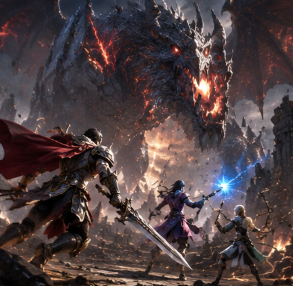
The Abyss is one of the main PvP and progression systems in AION 2. It combines faction combat, PvE monsters, bosses, objectives, and Abyss-related rewards in the same battlefield. Rift content adds another layer by creating large-scale encounters where both factions compete for bosses and contribution.
For new players, the important thing is to understand that Abyss and Rift content is not simply about getting as many kills as possible. Objectives, positioning, survival, and reward efficiency all matter.
What Can You Do in the Abyss?
The Abyss offers several activities, so players can approach it in different ways. Depending on the current content and schedule, you may be able to:
- Fight players from the opposing faction
- Hunt Abyss monsters
- Participate in boss encounters
- Compete for Artifacts
- Enter the Abyss Corridor
- Complete Abyss-related missions
- Earn Abyss Points and other rewards
This mixture of PvP and PvE makes the Abyss different from ordinary farming zones. You may be fighting monsters one moment and suddenly need to react to an enemy faction group.
Don’t Chase Every Enemy
One of the easiest ways to waste time in the Abyss is chasing players without a clear reason.
A fight is usually more valuable when it protects an objective, helps your group secure a boss, or removes an immediate threat. Running across the map after a low-health enemy can leave you isolated and give another group an opportunity to attack.
Staying alive also matters. A player who consistently contributes throughout an event can make better progress than someone who repeatedly takes unnecessary fights.
Abyss Rift Zone
The Abyss Rift Zone focuses on large-scale faction competition around boss encounters. Both sides can enter the same area, fight bosses, and interfere with the opposing faction.
This means the boss is only part of the encounter. You also need to watch enemy movement and stay close enough to your faction to receive support.
When a boss enters an important phase, avoid wasting major cooldowns on distant enemy players unless they are directly threatening your group. Boss positioning and timing can make a significant difference during crowded encounters.
Artifact Battles and Abyss Corridor
Artifacts are important because their control can affect access to other Abyss content. Winning an Artifact battle can therefore provide value beyond the immediate event rewards.
The Abyss Corridor is particularly useful for players working toward Abyss Points. Access is connected to Artifact control, so these systems form part of the same progression loop.
If Abyss Points are your current goal, check whether the Corridor is available before spending your entire session on random open-world fights.
Understanding the Rewards
Abyss and Rift activities can provide different types of rewards depending on the event.
| Reward | Main Use |
|---|---|
| Abyss Points | Abyss progression |
| Medals | Related purchases and progression |
| Boss rewards | Equipment and materials |
| Rift Bundles | Additional event rewards |
| Contribution rewards | Participation-based progression |
| Mission rewards | Extra character development |
Reward structures can change with updates, so check the current activity information before deciding where to spend your time.
Play Around Your Class
Different classes should approach Abyss combat differently.
Melee DPS should look for isolated targets instead of jumping into the middle of an enemy group. Tanks can protect teammates and help hold important positions. Ranged classes can use distance to punish exposed players, while Clerics and other support classes should focus on keeping the group alive.
Assassins can take advantage of isolated targets, but they need to consider their escape route before committing.
Flight also changes combat. Keep track of your altitude, distance, flight resources, and the position of your teammates before starting an aerial engagement.
Prepare Your Resources
Long Abyss sessions can consume plenty of supplies. Bring enough recovery items, buffs, and other consumables before entering.
Keep some Aion 2 Kinah available for repairs and routine expenses instead of spending your entire budget on equipment. Running out of basic supplies can end a productive session much earlier than expected.
Players considering cheap Aion 2 Items should also compare each purchase with their overall progression. Core weapons, armor, skills, and survivability should remain part of the upgrade plan rather than focusing entirely on specialized PvP improvements.
Final Tips
Abyss and Rift content becomes much easier once you stop judging success by kills alone. Focus on objectives, bosses, Artifact control, Corridor access, and contribution rewards.
Stay close to your faction during major events, avoid pointless fights, manage your flight resources carefully, and leave when an activity is no longer worth the risk.
The Abyss works best when treated as a complete progression system rather than a simple PvP zone. Once you understand how Rift events, Artifacts, bosses, and Abyss Points connect, you can spend your time more efficiently and build steady progression in AION 2.